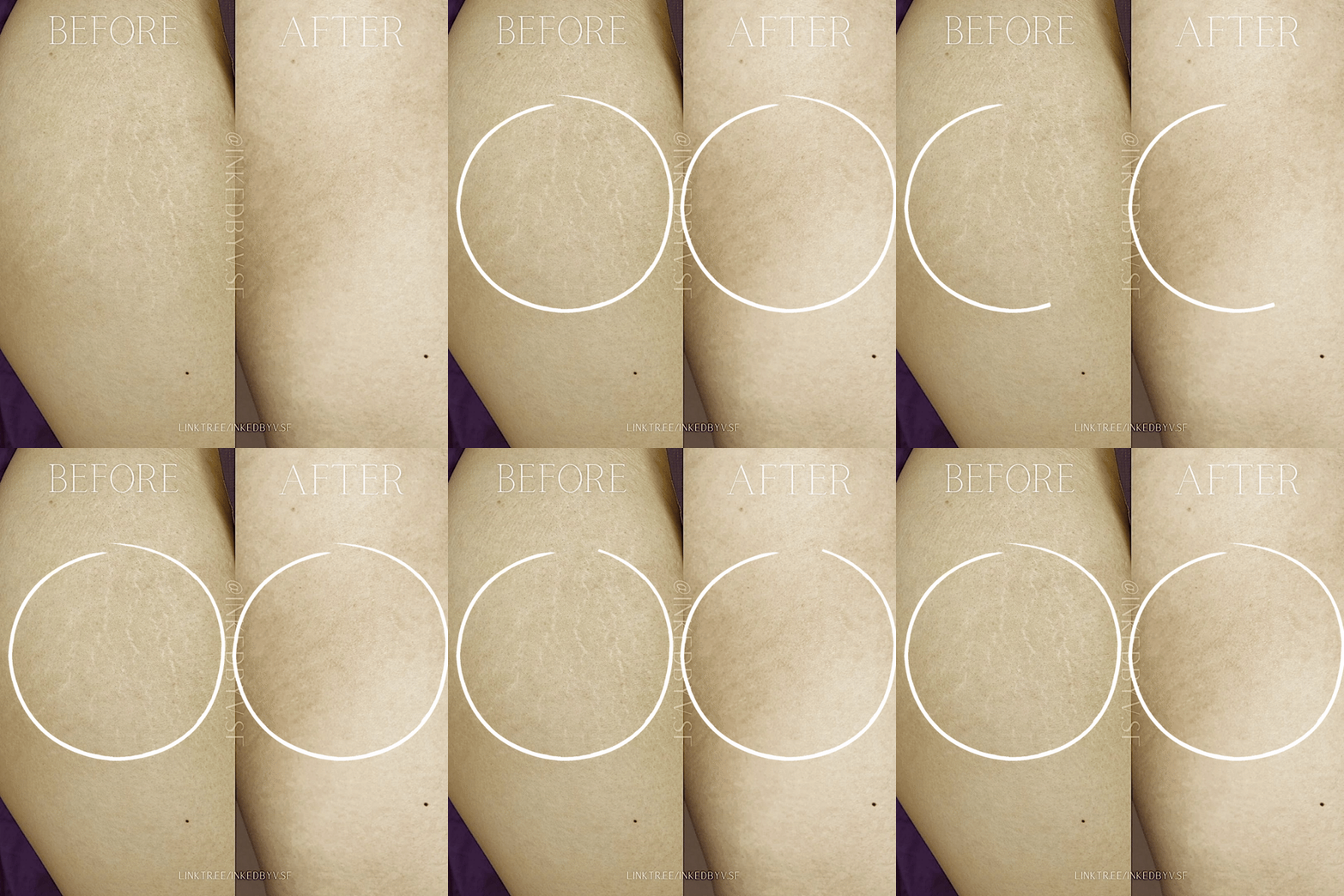
What is Stretch Mark Camouflage?
Stretch mark camouflage is an advanced paramedical tattooing and restorative skin treatment designed to reduce the visible contrast and appearance of stretch marks.
Stretch marks, also known as striae, commonly develop from pregnancy, weight fluctuations, growth spurts, bodybuilding, or hormonal changes that cause the skin to stretch beyond its natural elasticity. This can lead to visible lines, texture changes, and lighter or silvery areas within the skin.
Using advanced color theory, custom pigment matching, and specialized restorative techniques, we carefully blend the stretch marks with the surrounding skin tone to create a softer, more natural appearance. For deeper or more textured stretch marks, restorative revision techniques may also be incorporated to help improve overall skin texture and visual smoothness over time.
Camouflage with Inks vs. Resurfacing
Depending on the depth, age, and texture of your stretch marks, we use two highly specialized techniques:
- Traditional Ink Camouflage: For stretch marks that are flat, smooth, and lighter than your natural skin tone. We custom-blend organic, long-lasting pigments to match your exact skin overtones and undertones, tattooing them directly into the marks.
- Stretch Mark Resurfacing (Inkless/Serum): For deep, hollow, or textured stretch marks. We tattoo a highly concentrated blend of healing serums, vitamins, and collagen-boosting elements into the skin to stimulate natural fibroblast and elastin production. This physically rebuilds and plumps the tissue, followed by optional pigment matching once the texture is smooth.
Who is a Good Candidate?
The best candidates for stretch mark camouflage typically have stretch marks that are fully healed, stable in color, and no longer actively changing. In most cases, stretch marks should be at least 1–2 years old and appear lighter than the surrounding skin (white, silver, or light-toned rather than pink, red, purple, or inflamed).
We welcome clients of all skin tones and ethnicities. Every treatment is customized using advanced color theory and individualized pigment matching to create the most natural blend possible for your unique skin tone and undertones.
A consultation is required to determine candidacy, as factors such as texture, depth, skin condition, tanning habits, and healing response can all influence results.